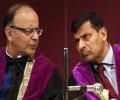
Arun Jaitley had a tough fiscal hill to climb.
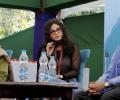
Outside Diggi Palace's walls, things may be getting darker. Speech may be under threat; writers may be getting murdered for their writing. But, inside, it is possible to feel hope that ideas, nevertheless, may have their own power, says Mihir S Sharma.

Private investment will respond only to sustainable reform.

Only the Indian elite would rather not breathe than be ordinary.
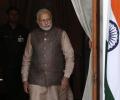
A brief report card on Modi's ministers.

A government that confuses PowerPoints for policy is delaying structural change too much.

China's slowing means commodity markets are no longer overheated.
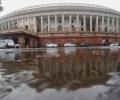
If the government does not allow the Opposition a few victories, then it is opening the door to paralysis and an entrenched culture of confrontation.

Modi government needs to focus more.
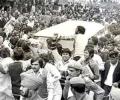
We need credible retellings of the times we have lived through, or the events in the immediate past that have shaped our today, says Mihir S Sharma
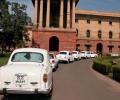
If Prime Minister Narendra Modi fails to live up to the expectations that he has raised, it will be entirely his fault. He should have started by ending the IAS

A simple guide to the strange defensiveness of the government and its supporters, and how and why the arguments they're making are wrong.

Narendra Modi is squandering a mandate for change on feeble, unimaginative incrementalism.
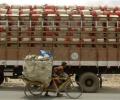
The current draft of the Goods and Services Tax could kill any hope of economic revival - and you should blame the Congress if it rolls over and lets it pass, says Mihir S Sharma.

The media has given the PM and his government a far easier time than it probably deserves.

Mr Modi must stop talking, and start writing

It is time for Mr Modi to be a little more reasonable and rational.

Union Budget 2015 cuold have included few smaller reforms.

The party has tried to downplay its vice-president's sudden move, saying he is the leader and will come back soon to play a pro-active role in party affairs
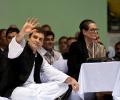
Government's reforms are too half-hearted. But Rahul Gandhi's Congress is too amateurish and inept to hold it to account.
